Lead / Founding Product Designer

Hi, My Name is Maksim Smakhtin

A product designer with 10+ years of experience, building products end-to-end from MVP to global scale. Highlights: 200+ interviews → 192 countries → ~$100M processed, ~20% lower KYC drop-off, a tokenized white-label design system that removed bespoke client FE work, and a solo Webflow launch in ~3 weeks (80+ pages) → 10–30 inbound leads/day.
CASE STUDIES

Projects

Meleton
EdTech Platform (Founding Product Designer → Design/Product Leadership)

Meleton

Role

Founding Product Designer (later expanded into broader product/design leadership).

Context
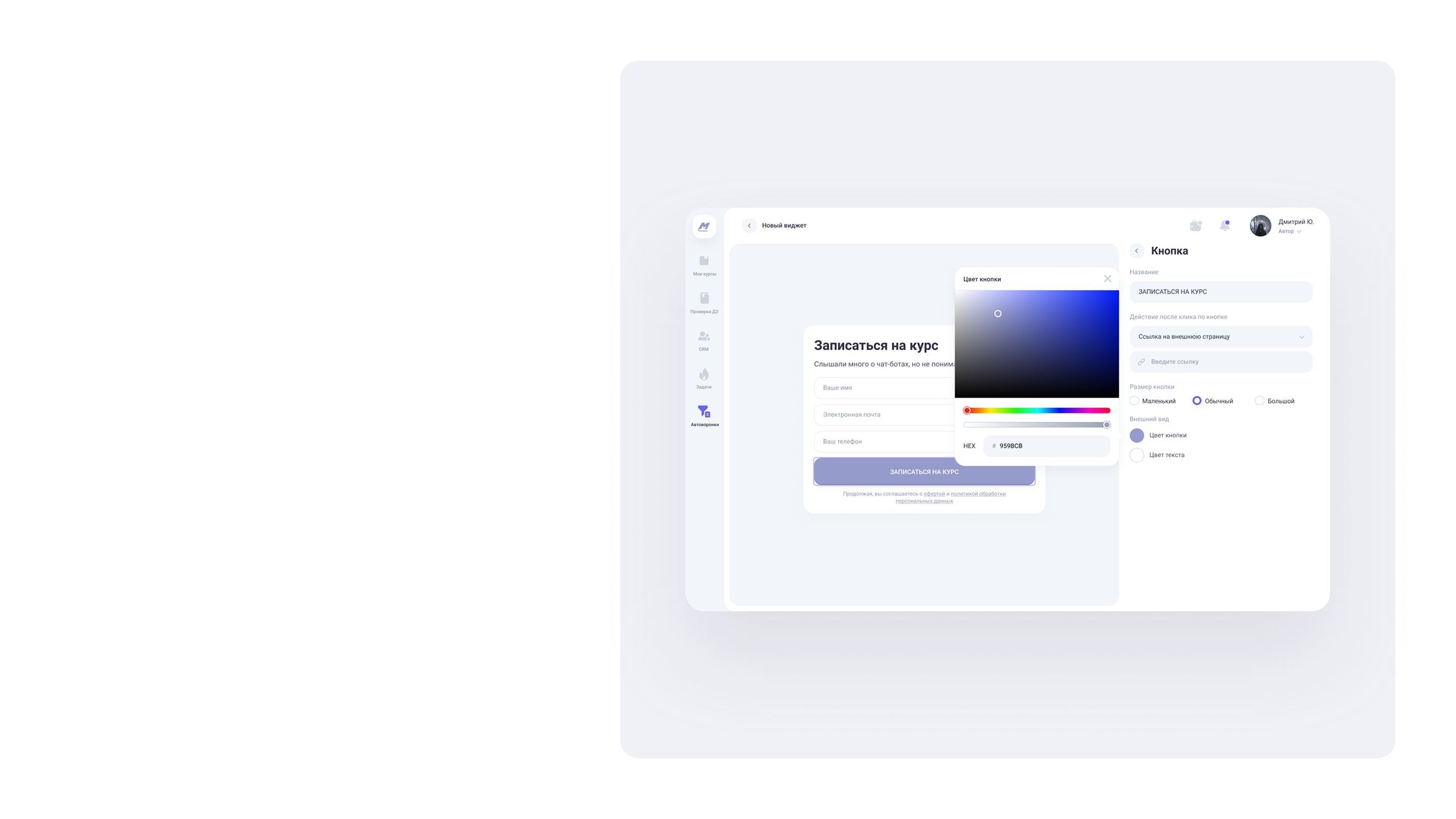
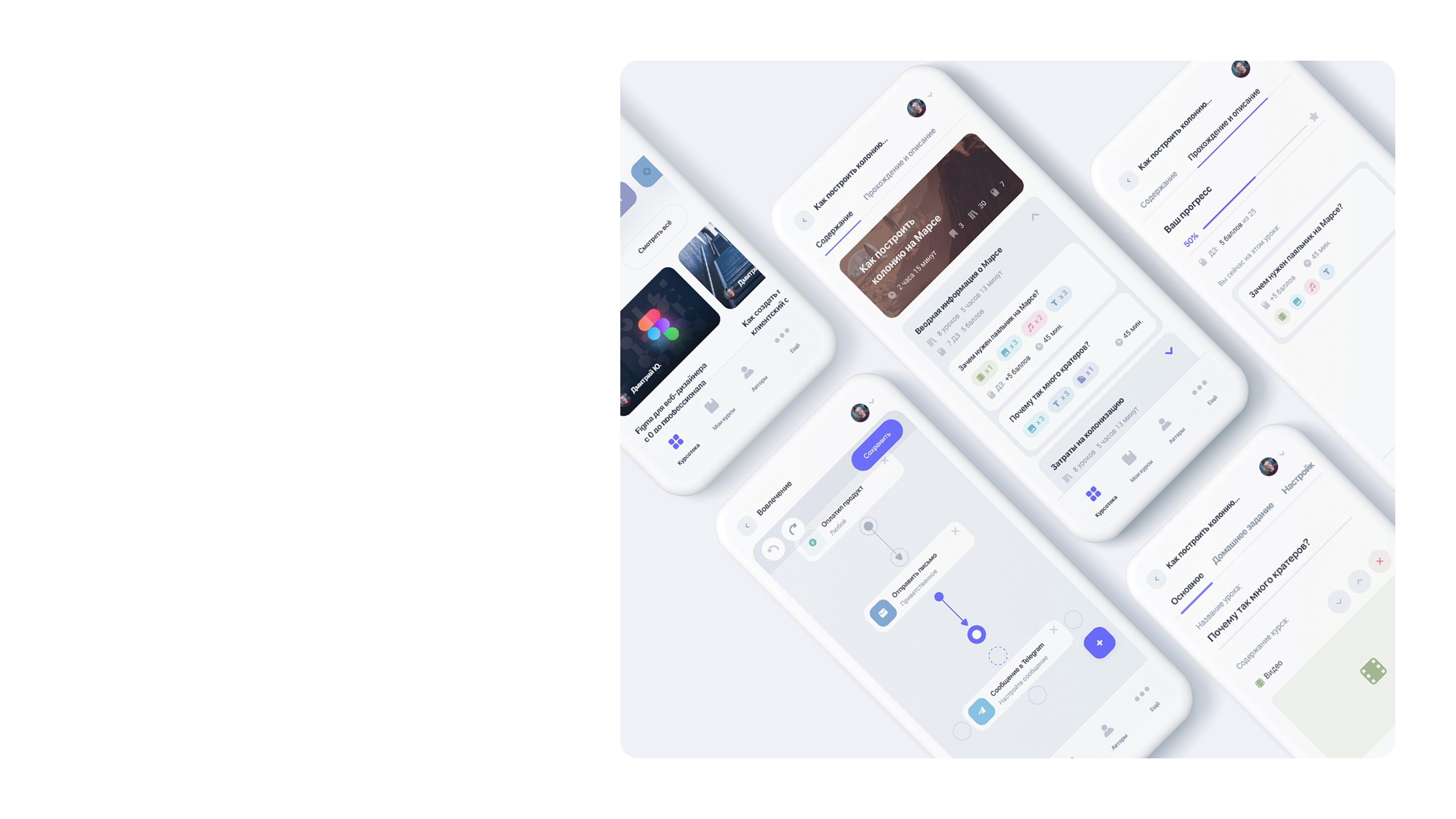
Meleton is an EdTech platform for online schools and independent creators to build and sell digital products. I joined early when the MVP needed to be built from scratch.
EdTechFounding DesignerGlobal Scale
Shipped MVP, Scaled 
to 192 Countries
Meleton: Discovery, End-to-End MVP, Growth

Shipped MVP, Scaled to 192 Countries

Led discovery with 200+ interviews across segments (large schools and smaller creators) to define JTBD, trust barriers, and monetization needs.

Designed and shipped the MVP end-to-end: IA, key flows, UI, onboarding, creator setup, publishing and core admin experiences.

Scaled the product over ~3 years through iterative delivery tied to customer feedback and business goals.

Owned product visual direction beyond UI (key communications and feature presentation) and supported team scaling through hiring.
DiscoveryMVP Delivery200+ Interviews192 Countries~$100M GMV
Mel.store
Creator Commerce (Lead Product Design + Interim CPO, Metrics-Driven)

Mel.store

Role

Lead Product Designer; temporarily Interim CPO.

Context
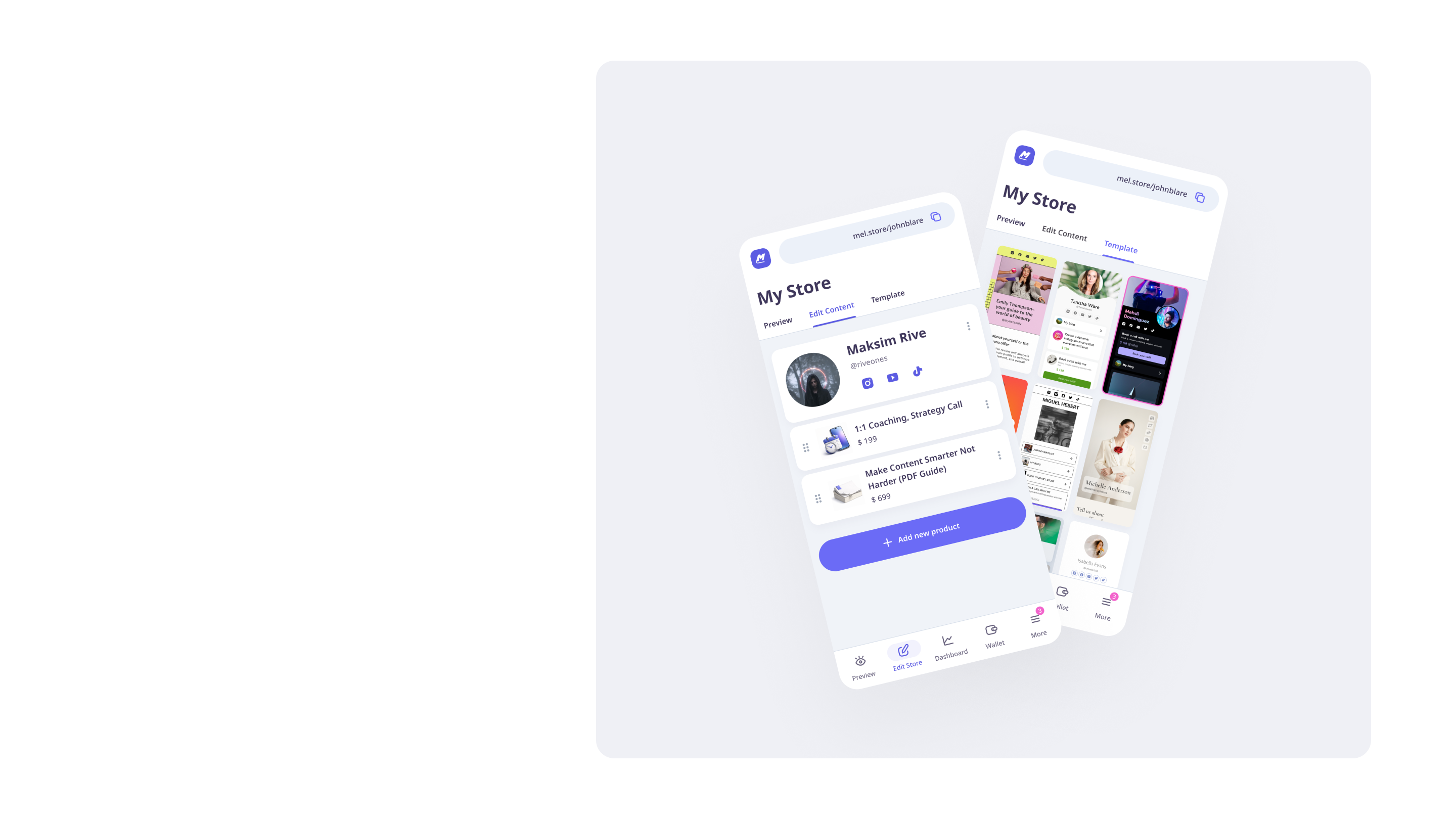
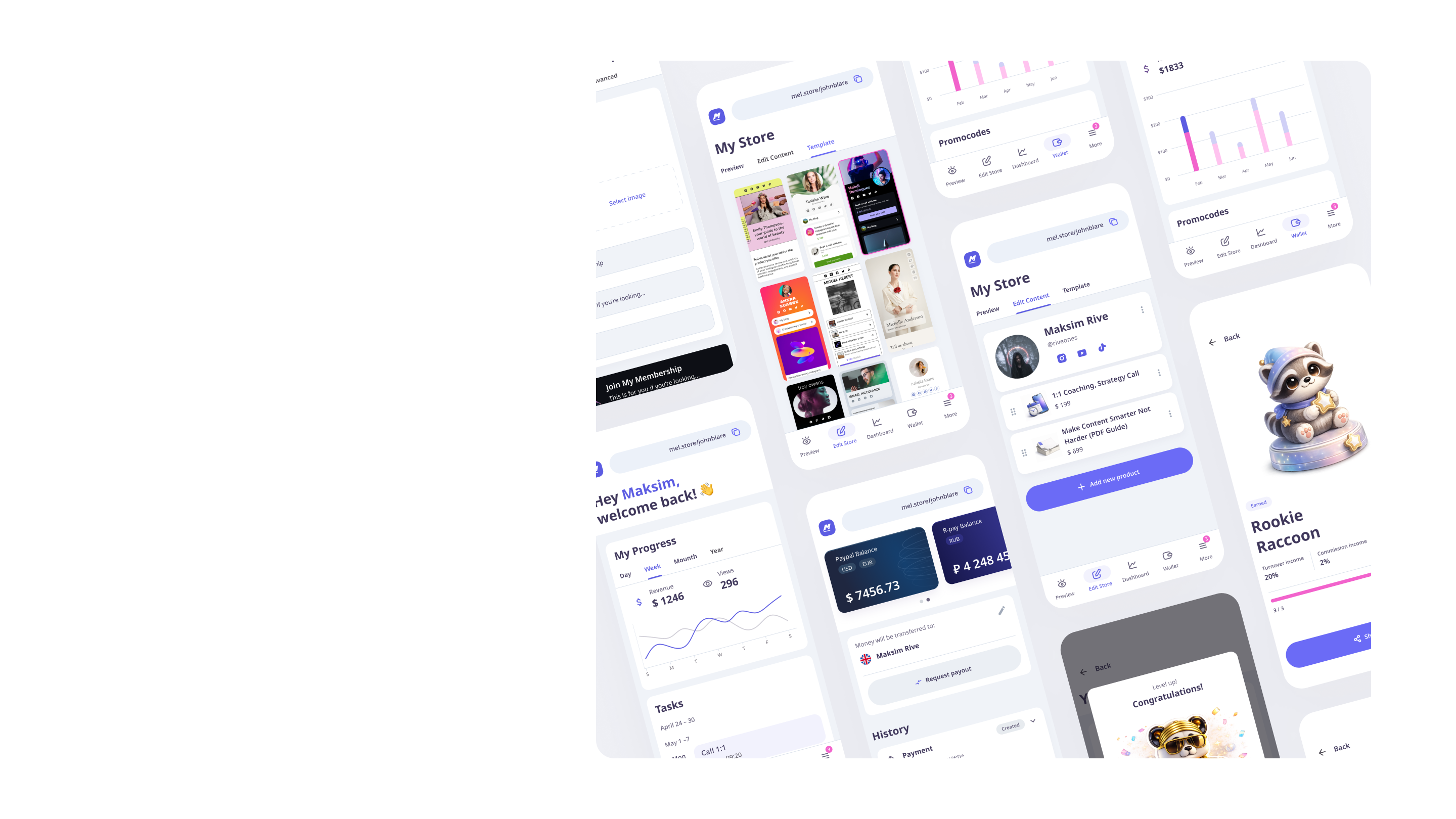
After a positioning shift, we launched Mel.store focused on individual creators selling services and content (e.g., 1:1 calls, guides, materials). The main bottleneck was conversion drop-off, especially around onboarding and KYC.
Product Owner0 to 1B2B/SaaS
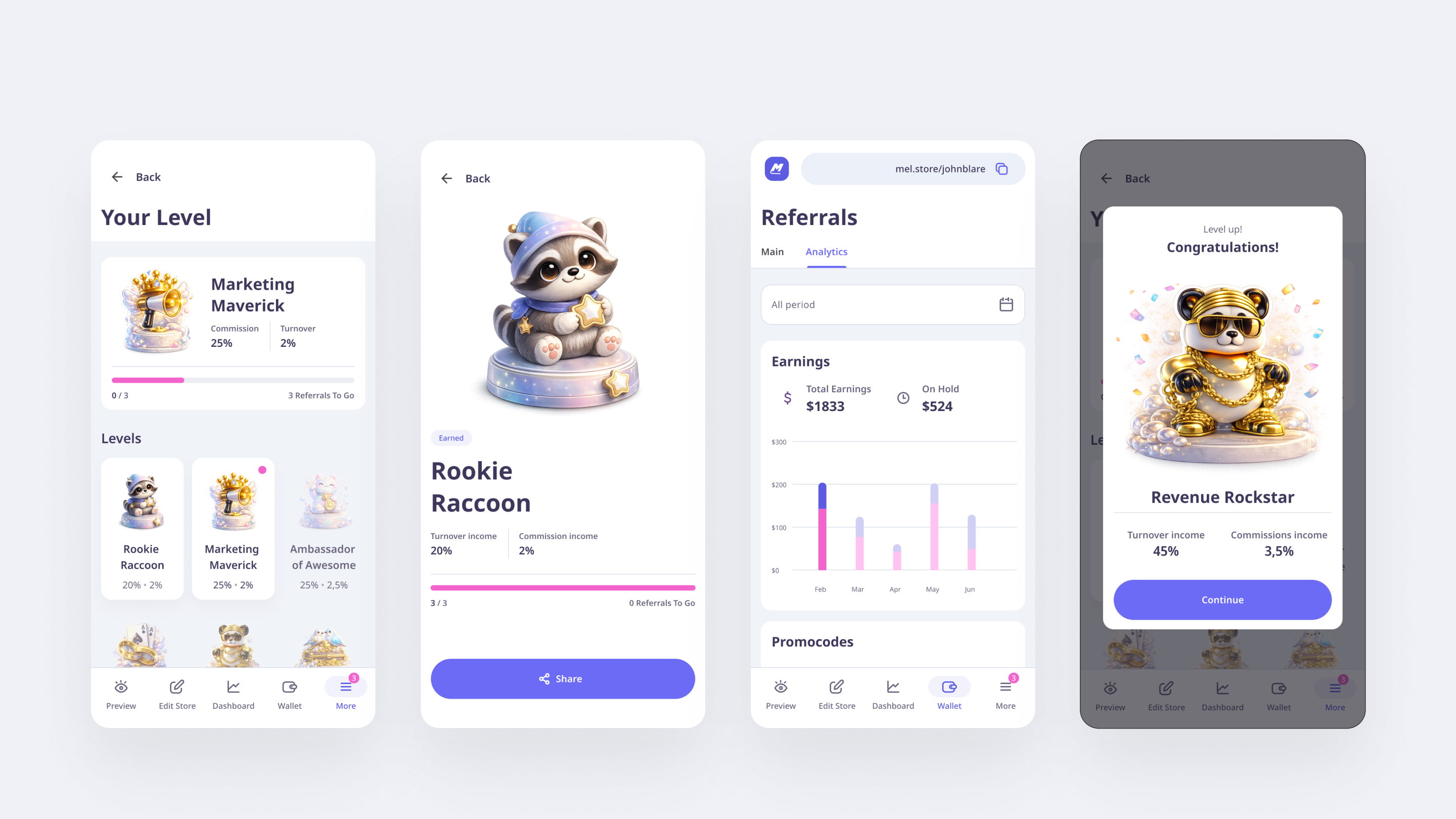
Mel.store: Referral Program, Levels, Rewards

Fixed the Funnel and Cut 
KYC Drop-Off by ~20%
Mel.store: Metabase Tracking, Funnel Audit, Iteration Cycles

Fixed the Funnel and Cut KYC Drop-Off by ~20%

Established a measurement loop early by implementing Metabase and tracking funnel health.

Audited the end-to-end flow (registration → onboarding → KYC), identified friction points, and redesigned the experience to reduce cognitive load and time-to-value.

As Interim CPO, ran short delivery cycles, aligned priorities across functions, and shipped iteratively based on metrics.

Implemented light referral gamification (levels + rewards) as a growth support mechanic.

AnalyticsConversionOnboarding
Yandex 
Delivery
Owned SMB B2B scope and shipped supporting B2C + map UX assets

Yandex Delivery

Role

Product Designer across SMB B2B, B2C, and Maps

Context
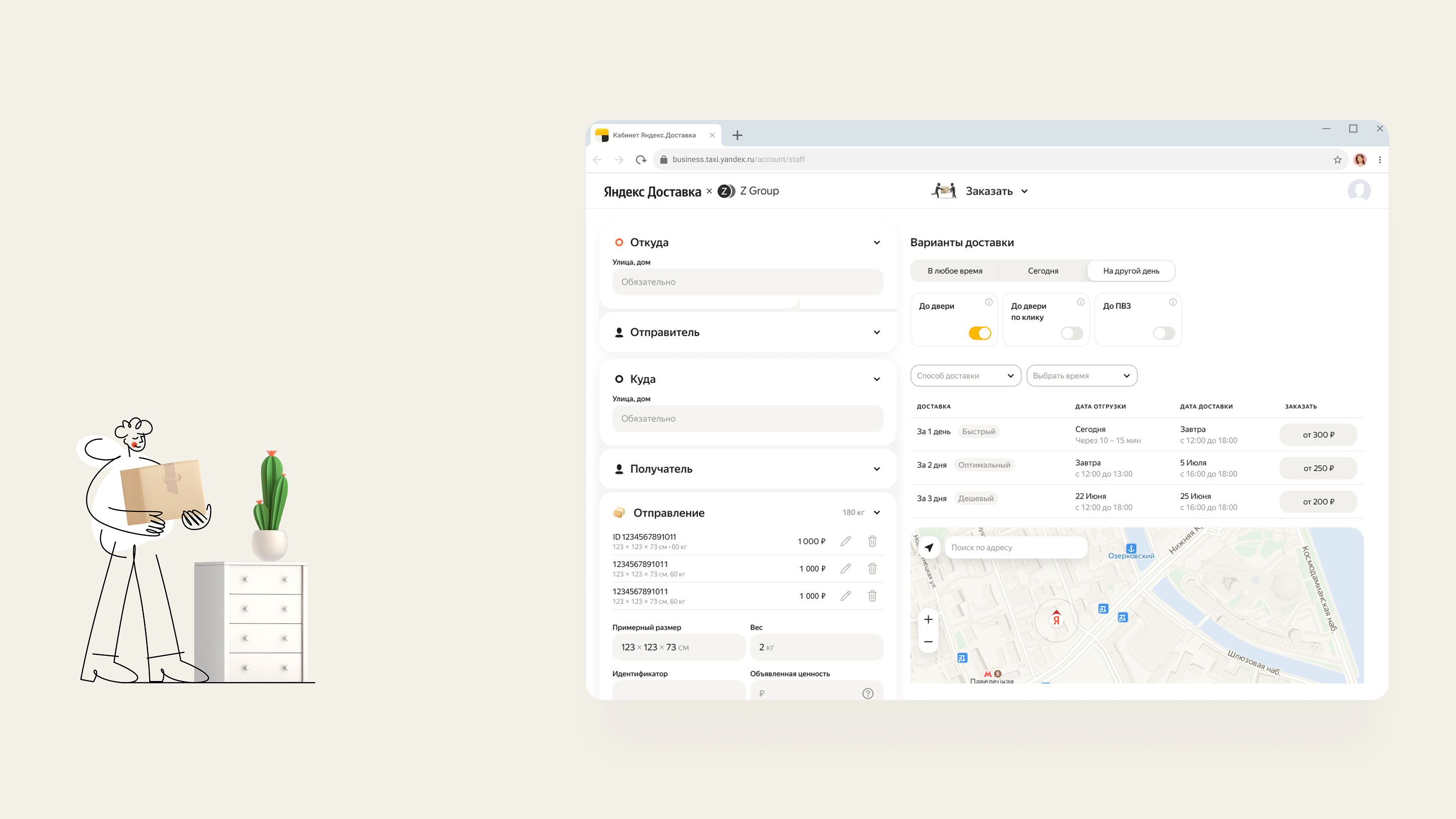
I joined to build the first version of an SMB B2B cabinet. While owning that scope, I also contributed to the B2C experience—partnering with PMs to test order-creation hypotheses and shipping supporting UX and visual components that improved clarity across the end-to-end delivery journey.
B2BB2CEnd-to-End UX
Designed The First SMB 
Dashboard And Ops Flow
Yandex Delivery: First Version Cabinet + Complex Order Creation

Designed The First SMB Dashboard And Ops Flow

Context
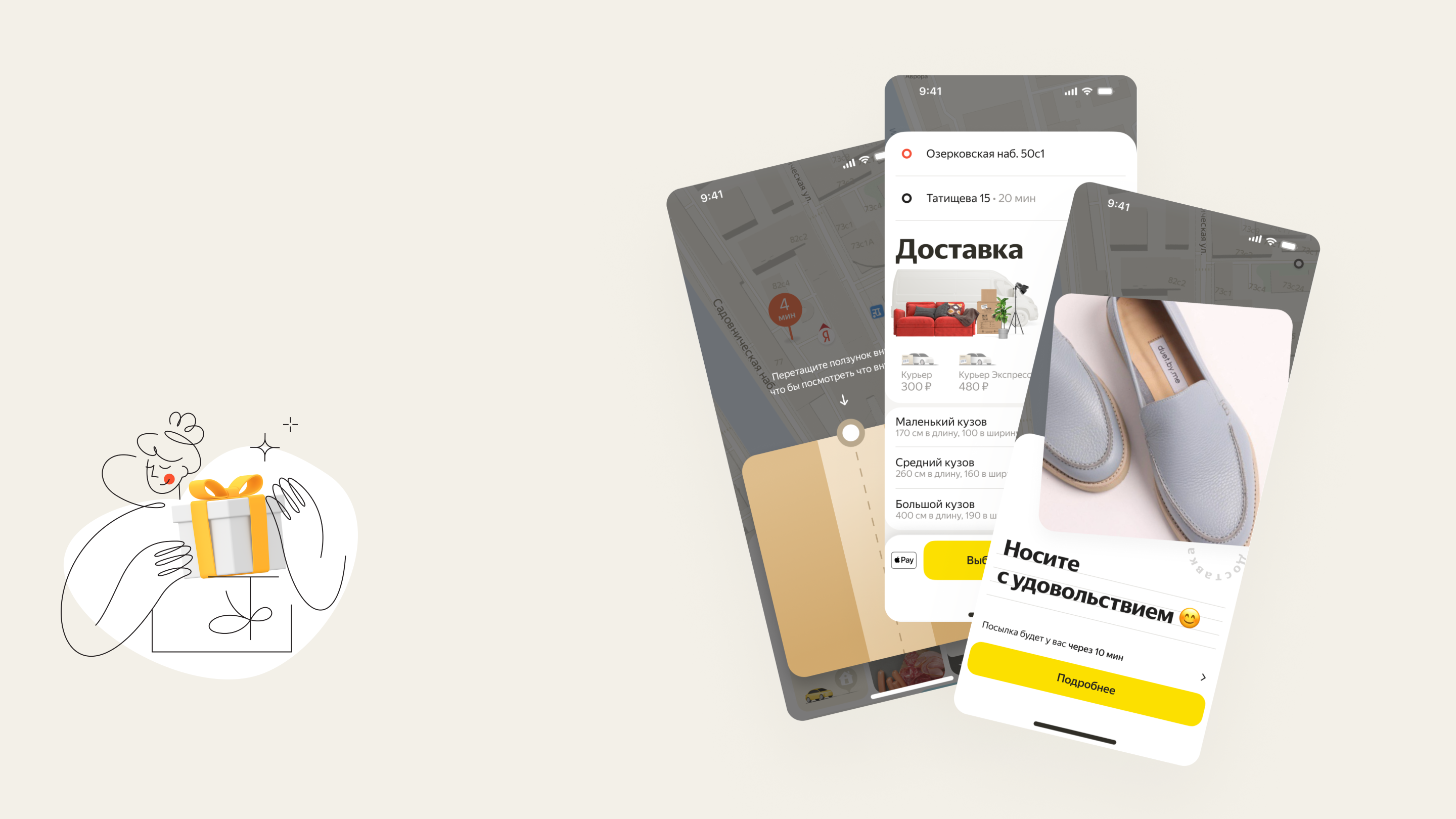
My core responsibility was the SMB dashboard and the order creation flow. One courier trip could include many orders, each order could include many items, and the courier needed to quickly understand which box contained what for accurate handoff. In parallel, I partnered with PMs to test a small set of hypotheses that improved the ordering experience across both the SMB B2B flow and the B2C app.
B2BComplex FlowsHypothesis Testing
Improved The Go App B2C 
Order Form And Added A 
Postcard Feature
Yandex Delivery B2C: Reduced choice friction with clearer delivery option

Improved The Go App B2C Order Form And Added A Postcard Feature

Context
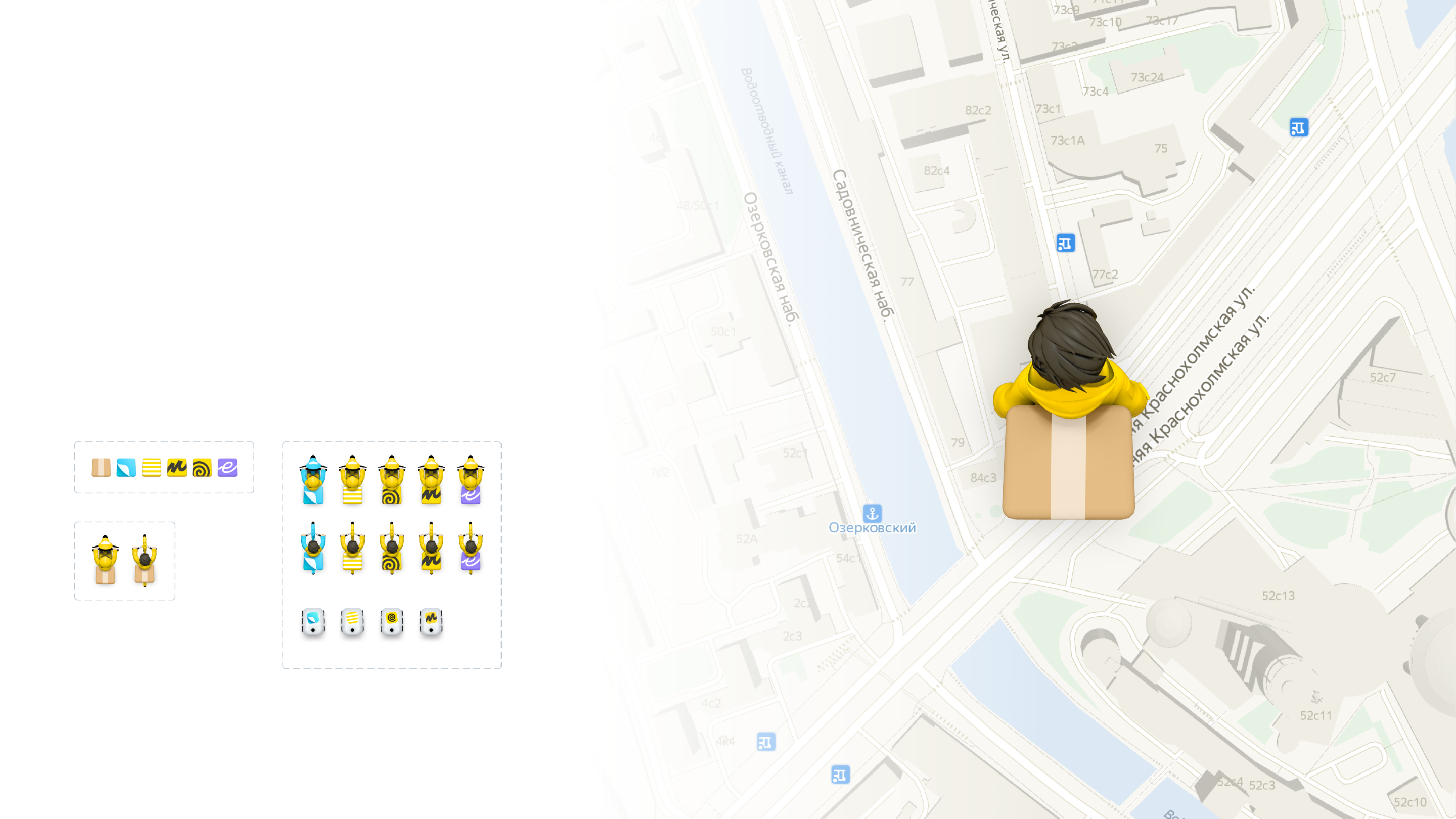
Alongside the SMB scope, I shipped a postcard feature and improved the Go app order form, using tariff/capacity visuals to make delivery options clear and reduce drop-off from decision fatigue.
B2COrder FormPostcardsTariff & Capacity Visuals
Created Branded Map 
Pins Seen by Millions
Yandex Delivery: First Version Cabinet + Complex Order Creation

Created Branded Map Pins Seen by Millions

Context
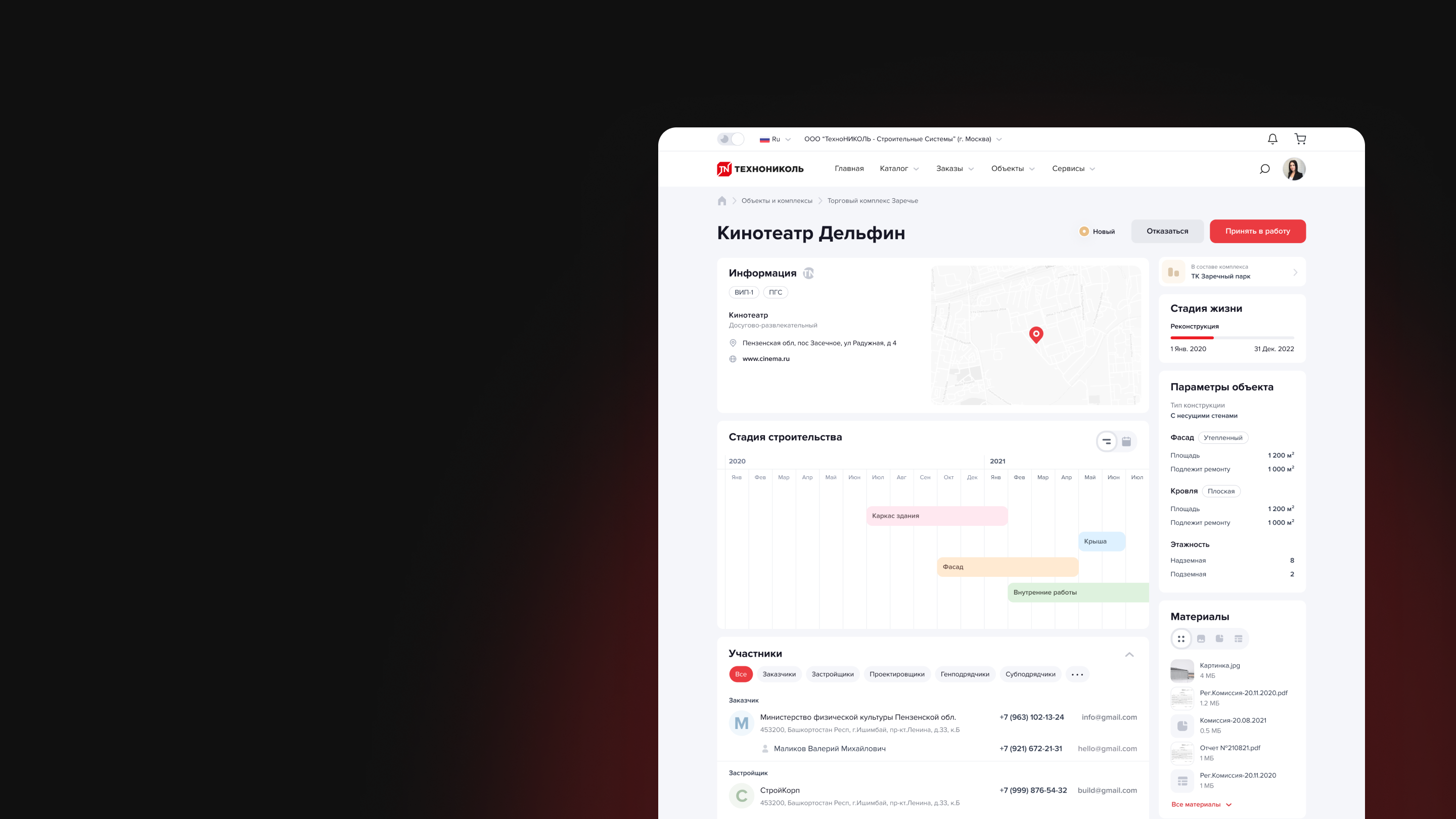
I worked closely with the designer responsible for maps across Yandex products to align map-related UX. At some point, I realized there was no dedicated specialist for high-quality 3D visuals, so I offered support and started designing 3D assets for maps. I shipped branded courier and vehicle pins that could adapt to different stores depending on context. Later, my colleagues helped roll them out across other services—these pins are still seen by millions of users every day and first launched on the map in London via Yango Deli.
MapsVisual System
TechnoNICOL
Reworked a feature-heavy front-office tool into role-based, discoverable UX

TechnoNICOL

Role

Product Designer

Context
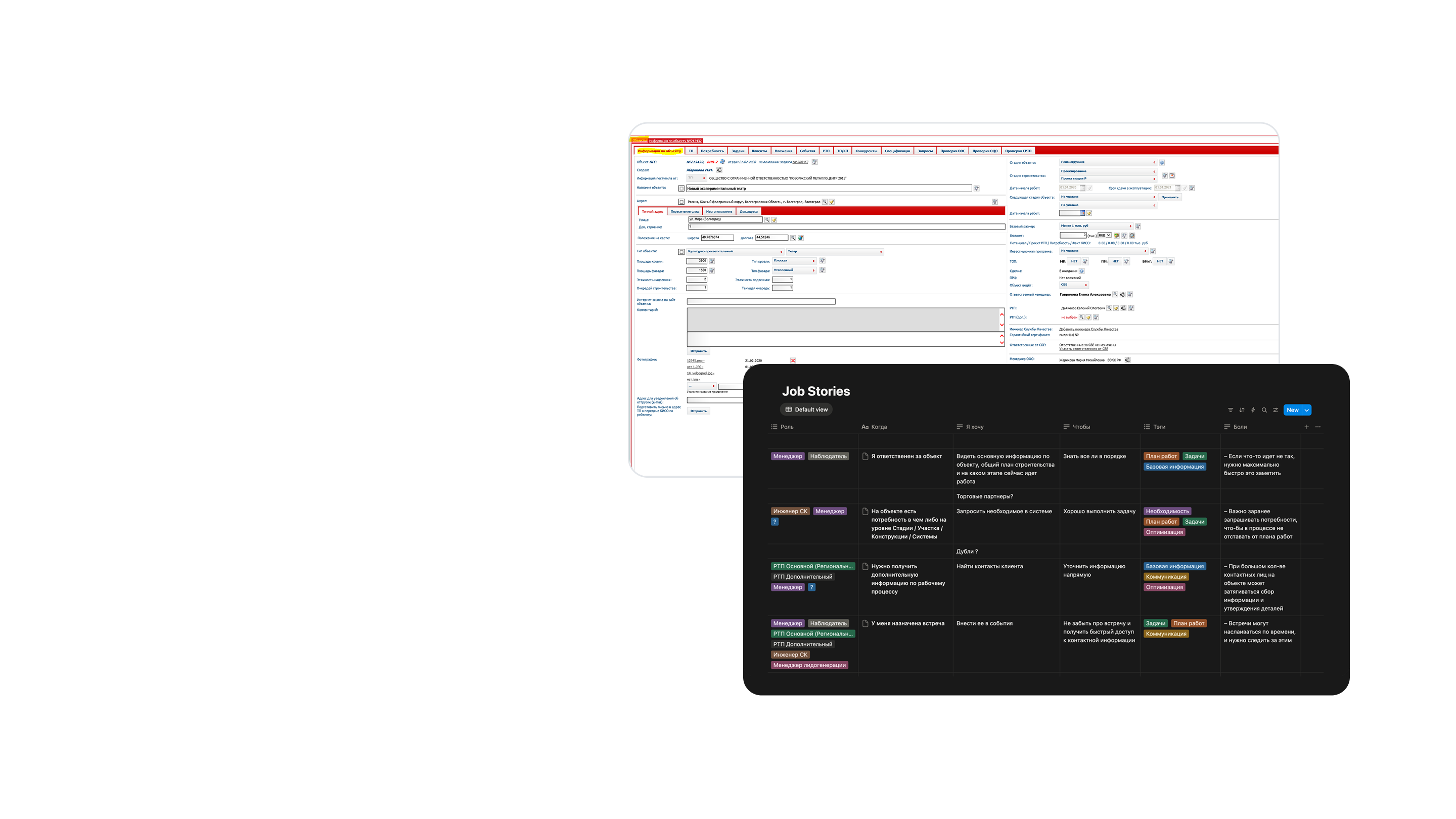
TechnoNICOL is a top-5 European manufacturer of waterproofing materials with multiple business units and digital services. They needed a front-office redesign for an internal platform used across many roles and projects. Over time, the platform accumulated a very broad feature set without a clear structure, so employees had to navigate through "everything" even though each person regularly used only a small subset. This created constant overload, poor discoverability, and inconsistent workflows across teams. Even within the same role, behavior varied widely depending on project context and responsibilities—so a single static dashboard couldn't serve everyone effectively.
B2BRole-Based UXInformation Architecture
Role Mapping and 
Modular Dashboard 
Strategy
TechnoNICOL: Reduced feature overload by structuring the product around real usage patterns

Role Mapping and Modular Dashboard Strategy

Mapped roles, responsibilities, and JTBD in collaboration with product stakeholders; identified key variability patterns and introduced role segmentation that didn't exist before.

Proposed a modular dashboard built from widgets of different sizes, showing role-relevant functionality and dynamically emphasizing what's most useful based on usage frequency.

Delivered an updated UI direction and built a design system later rolled out across other TN services.

Outcome

A scalable role-based dashboard approach that reduced interface overload, improved discoverability of the most relevant tools per user, enabled adaptive personalization at the UI level, and established a design system later reused across TechnoNICOL's other digital services.
PersonalizationDesign Systems
WineLab
validating the right redesign direction early for a 2,000+ store retail network

WineLab

Role

Product Designer

Context
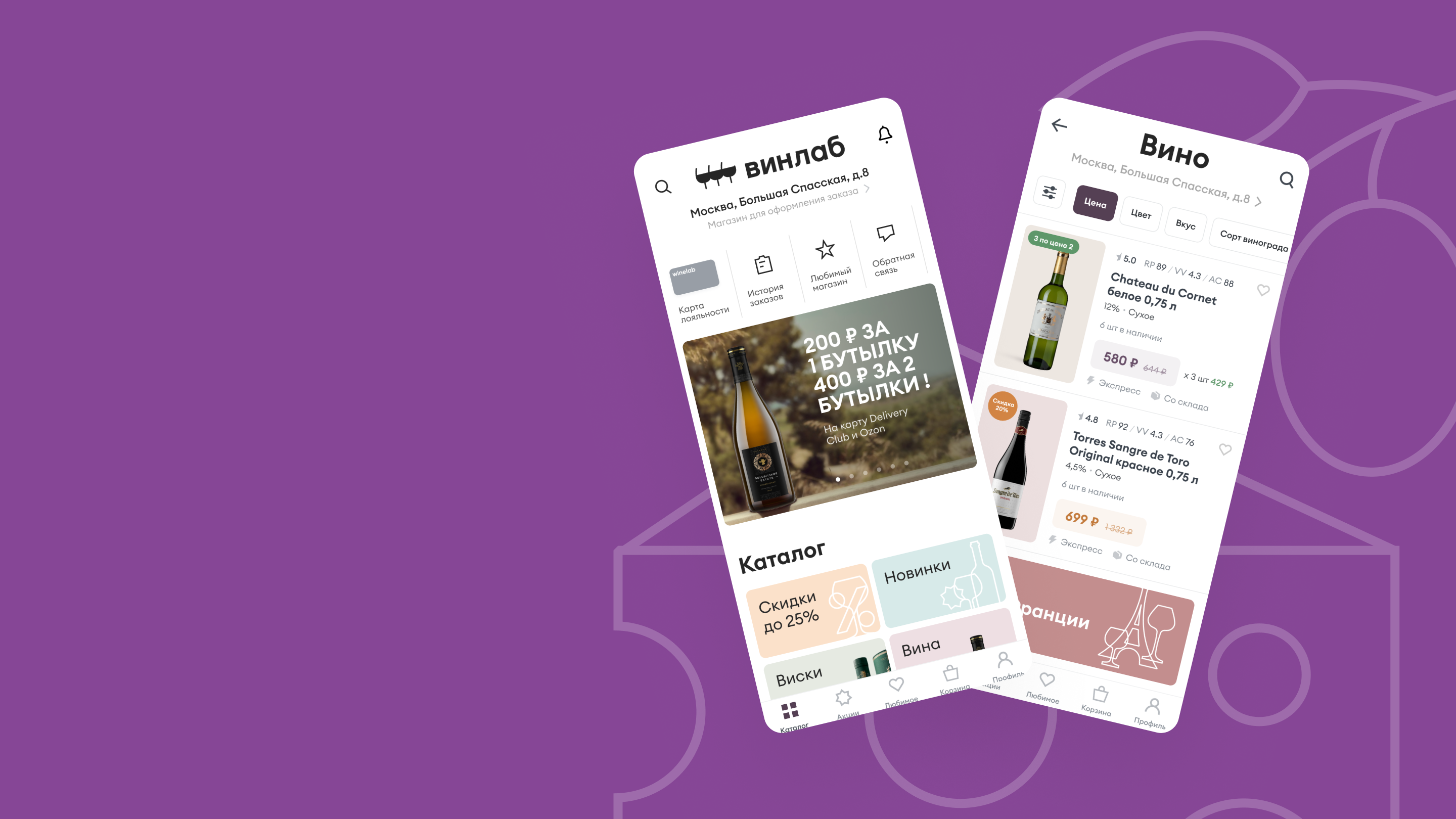
WinLab is a large alcohol retail chain with 2,000+ stores and a high-frequency customer base. They needed a mobile app redesign, where the biggest risk wasn't shipping something 'pretty,' but choosing a direction that didn't match real shopper expectations and purchase behavior. The goal was to validate the right product direction early before committing to a full build.
MobileRedesignUser Interviews
Built Two Competing 
Redesign Directions To 
Find The Right Fit
WineLab: Created comparable flows across two concepts to identify the stronger direction early

Built Two Competing Redesign Directions To Find The Right Fit

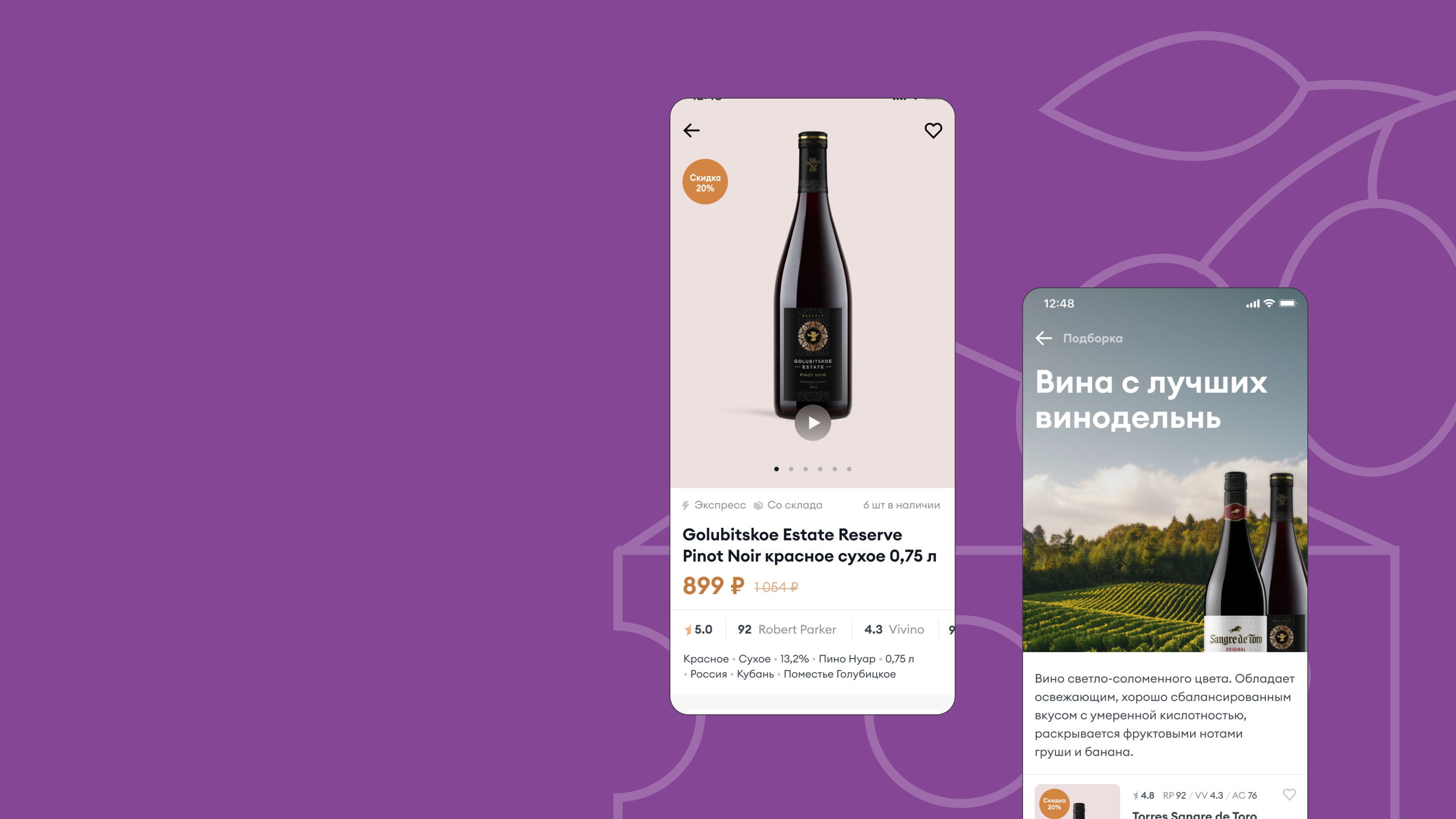
Partnered with another designer to produce two fundamentally different mobile app concepts (different visuals, different metaphors).

Aligned the same core flows and key screens across both directions to enable a fair side-by-side comparison

Turned early feedback into a clear decision on which concept to pursue.

Outcome / Learnings:

Rapid validation de-risked the redesign direction early—high-signal feedback without long research cycles.
ConceptsDecision Making
Used In-Store Checkout 
Interviews To Validate 
The Right Redesign Path
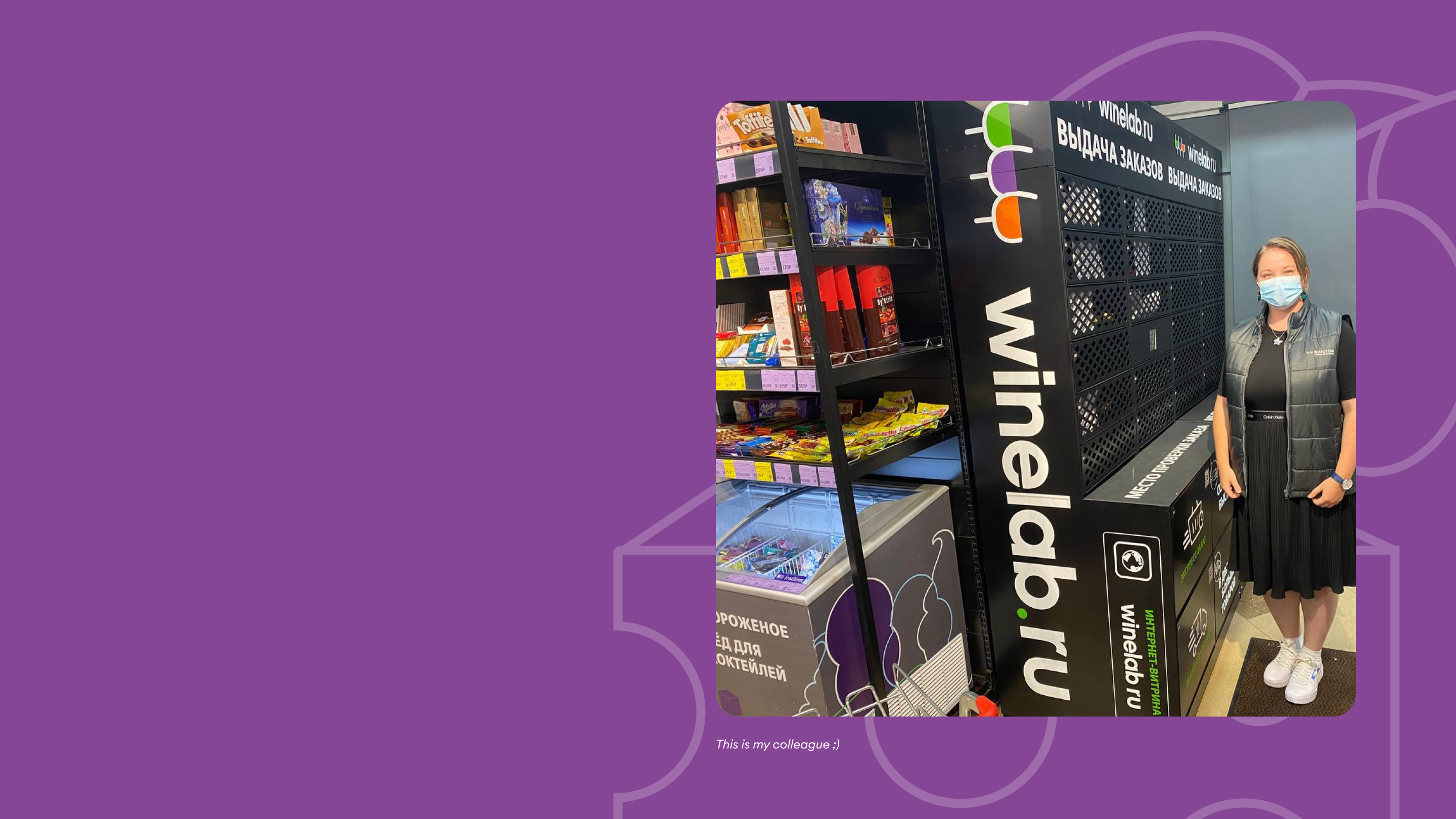
WineLab: Swapped long research cycles for immediate offline feedback from real shoppers

Used In-Store Checkout Interviews To Validate The Right Redesign Path

Context

We went to a real WinLab store with colleagues and talked to customers right at the checkout to validate both concepts in the most "truthful" setting. Instead of long research cycles, we got immediate reactions to visuals, metaphors, and overall clarity from people who actually buy in this category. That quick offline validation helped us confirm the better-fitting direction early and avoid committing to a redesign that would look good but miss real shopper expectations.
Field ResearchCheckout InterviewsFast Validation
Steptune AI
Viral Fitness Quests, Gamification (Concept / Pre-MVP)

Steptune AI

Role

Product Owner + Product Designer (co-founder side), end-to-end.

Context
StepTune started as a product partnership: I owned product + design, while my partner handled marketing and initial test budget. The original thesis was "bio-adaptive music": reading Apple Watch signals to recommend the best music for running/training in the right moment. The goal was to build something inherently viral and habit-forming.
MobileGamificationVirality
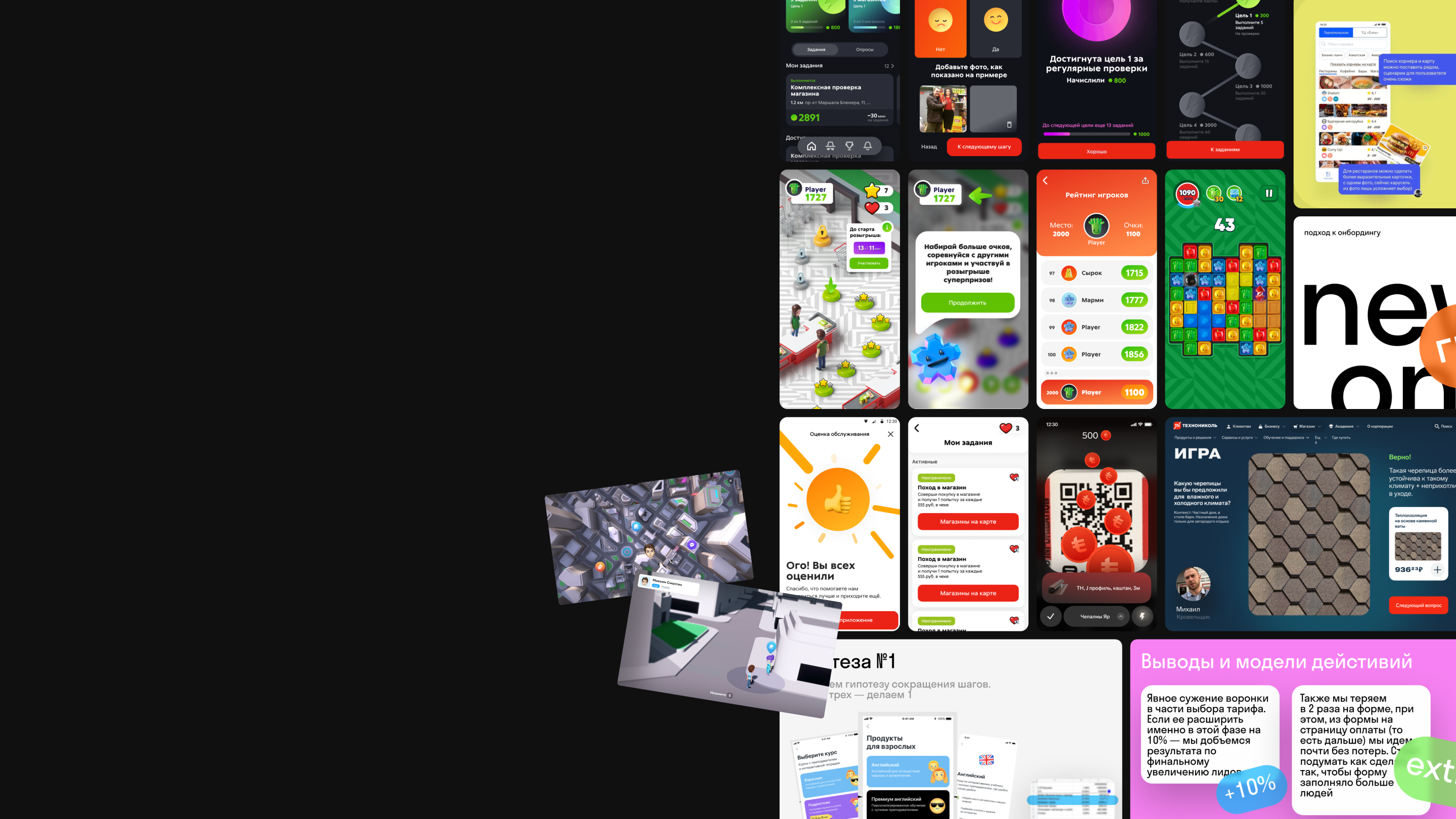
Built Pre MVP Game 
Concept and Viral 
Hypotheses
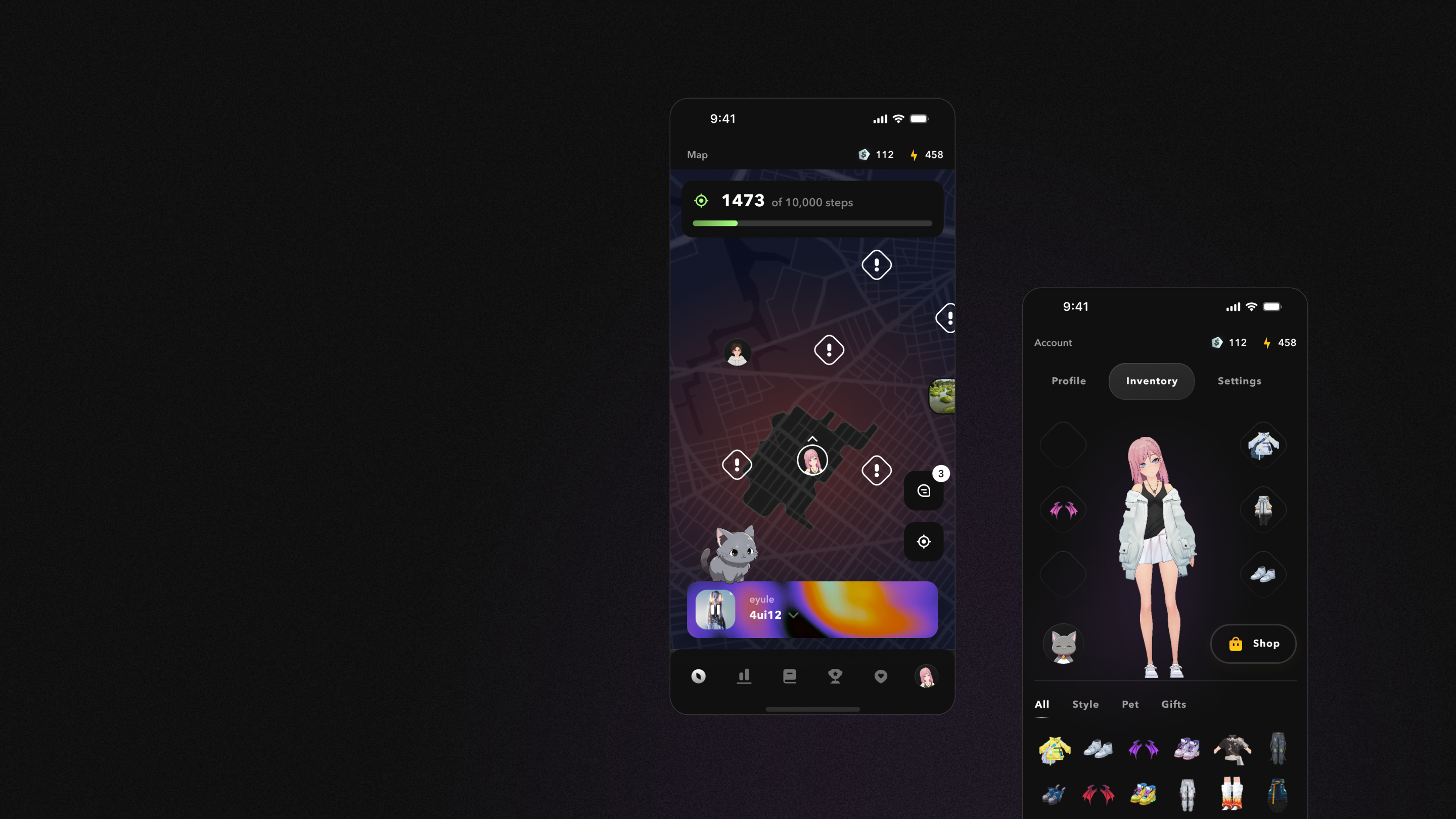
StepTune AI: Market Research, Habit Loops, Pre-MVP

Built Pre MVP Game Concept and Viral Hypotheses

Researched market trends, generational motivation patterns, and habit-building mechanics across fitness products.

Reviewed competitors and stress-tested assumptions with founders/owners of fitness apps.

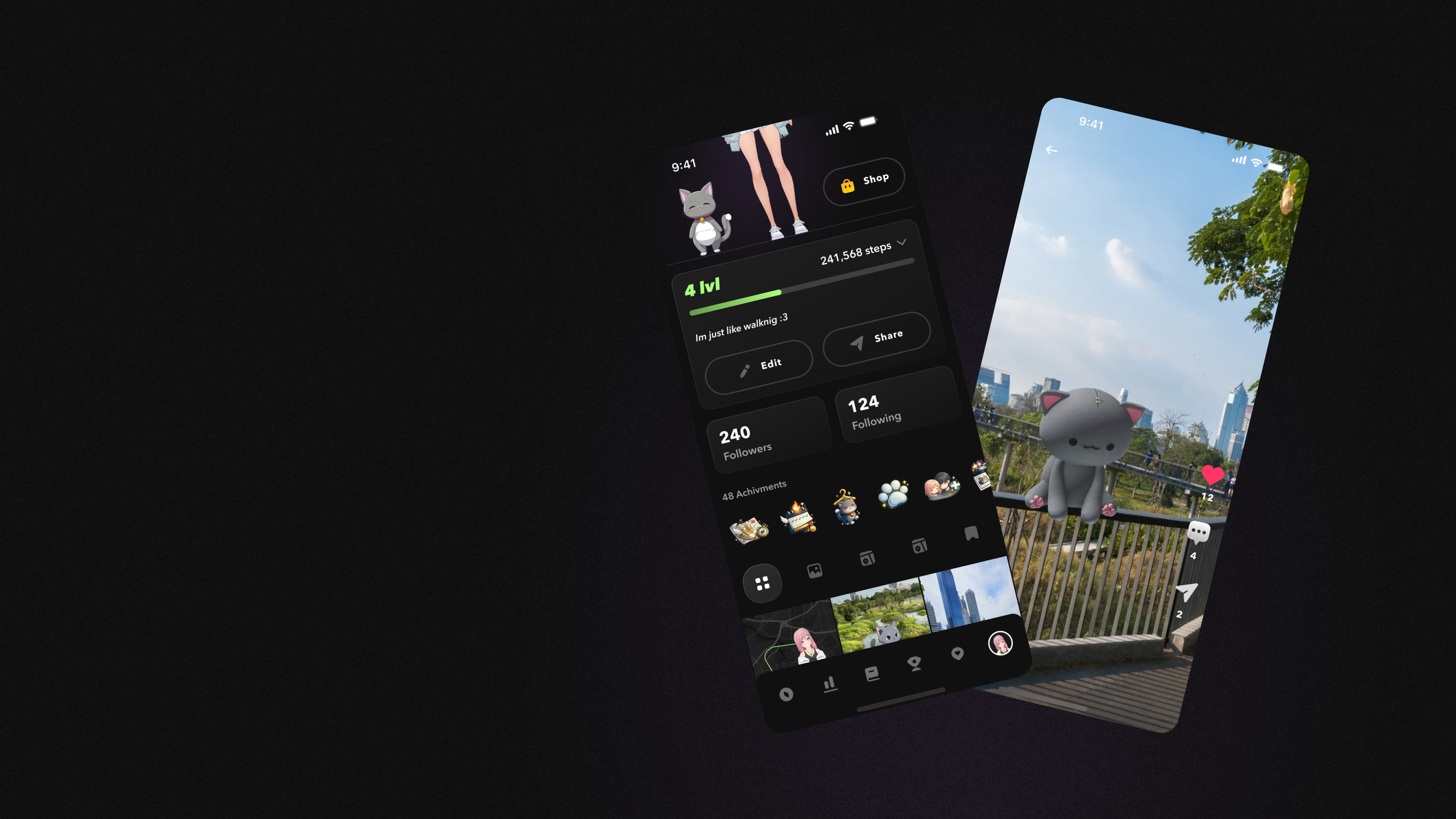
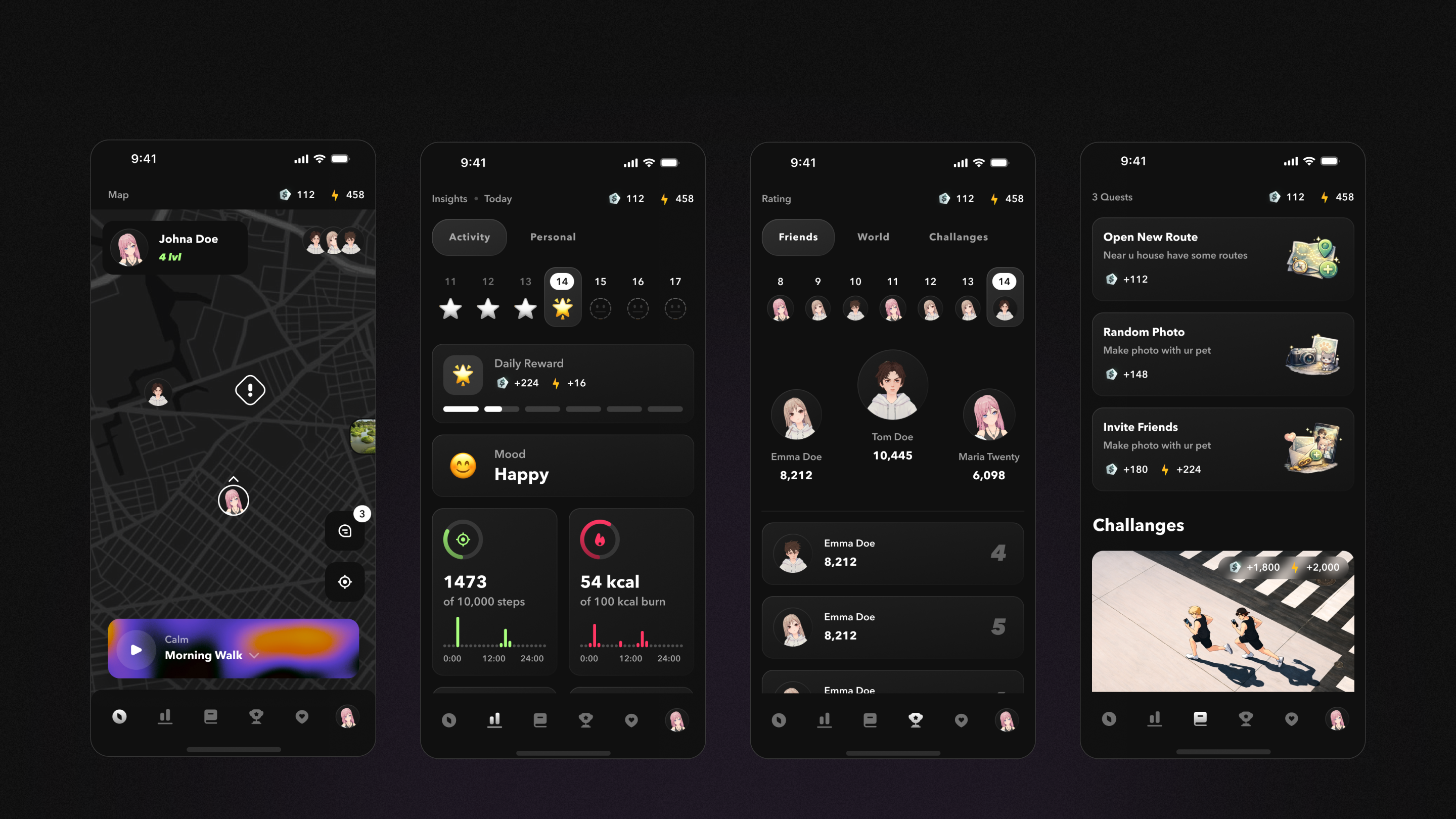
Reframed the product from "music personalization" into a game-driven outdoor experience: IRL map quests that require movement (territory control, UGC/content quests, and training-program missions).

Designed the progression system: character + companion pet, attributes, leveling, rewards, and cosmetic customization to reinforce long-term engagement.
Pre-MVPMarket ResearchGame LoopsUGC
Concept Built, 
Direction Validated
StepTune AI: Learnings, Market Signal, Strategy

Concept Built, Direction Validated

Context
The project didn't reach execution because my partner shifted focus to another initiative. The output was a complete product concept with clear loops and progression mechanics. Months later, I saw a US product executing a highly similar idea and going viral - confirming the direction's market viability.
Market SignalLearnings
StepTune AI: more screens

Mentorship
Mentorship In A Top-10 Studio And Design Community

Mentorship

Context

During my time at MAX Design Studio (Top-10 in Russia, 2023), I mentored ~8 designers and curated a high-frequency design review channel for junior and mid-level work. Multiple reviews per week on top of full-time work trained me to ramp up fast in new domains and deliver actionable feedback with limited context. I supported mentees on real projects—SkyEng, Pyaterochka, and VkusVill—often working through growth mechanics, gamification, habit systems, and engagement design together. Prior to MAX, I also mentored a few designers while freelancing. Some mentees have since progressed into senior and art director roles.
Design ReviewsGrowth Coaching
Rive Studio
Agency Founder Lessons From Fast Growth

Rive Studio

Role

Founder

Context

I ran a small design agency for about a year. It grew quickly, but operations became heavy once multiple projects overlapped and delivery depended on me. I started by bringing in a few mentees to help with tasks, then had to hire more people as volume increased. After a series of unexpected events led to a serious cash-flow crunch, I closed the studio and continued growing independently as a designer—taking lasting lessons in capacity planning, scope control, and sustainable delivery.
Agency OpsCapacity PlanningCash Flow